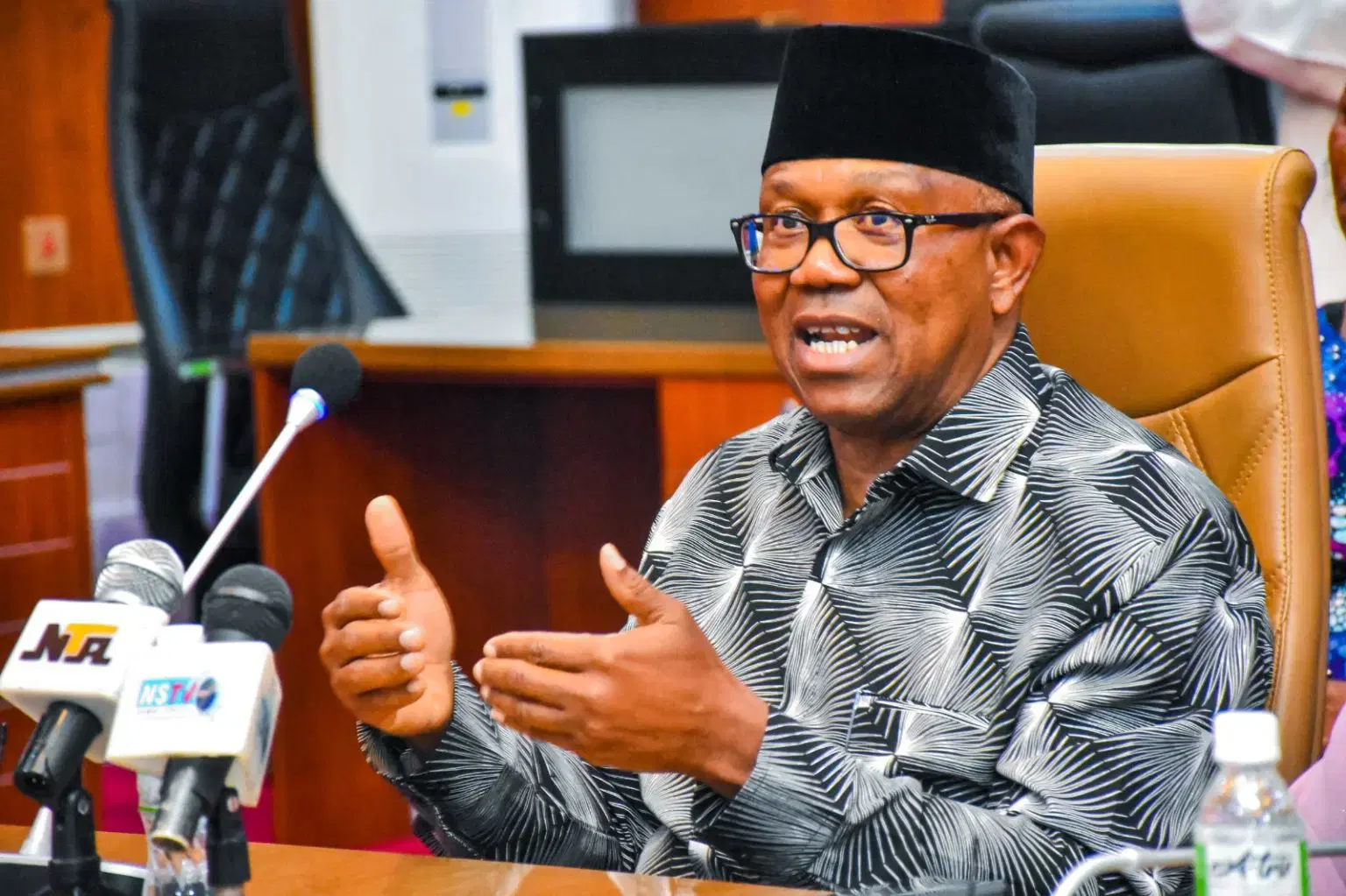
Former Labour Party presidential candidate, Peter Obi, has insisted that the removal of petrol subsidy must translate into tangible economic benefits for Nigerians rather than deepen the hardship faced by households.
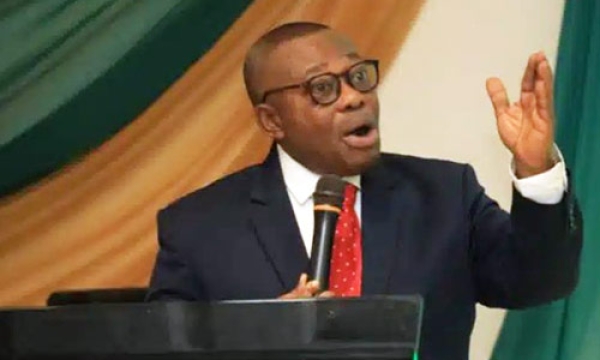
Obi made the remarks in a post on X on Tuesday, a day after appearing as a guest and panellist at the 66th Annual General Conference of the Nigerian Bar Association in Port Harcourt, Rivers State.
The former Anambra State governor maintained that Nigeria’s former fuel subsidy regime was riddled with corruption but argued that its removal should have been preceded by proper planning and implemented gradually.
“On fuel subsidy removal, I remain committed to the position I took in 2023: the subsidy system was riddled with corruption,” Obi said.
He explained that his preferred approach would have been to first eliminate the corruption surrounding the scheme, establish the actual cost of the subsidy and then implement a carefully planned, phased removal.
According to Obi, the savings generated from the policy should have been transparently channelled into critical sectors capable of improving Nigerians’ standard of living.
He listed agriculture, healthcare, education, poverty reduction and national security among the areas that should have received priority funding.
Obi stressed that his position should not be interpreted as opposition to subsidy removal, but rather as a demand for a policy framework that protects citizens and ensures that the resulting savings produce measurable economic gains.
“I remain convinced that subsidy removal must deliver real benefits to Nigerians; citizens should not bear higher energy costs while the savings remain unaccounted for or fail to improve their lives,” he said.
The former governor also blamed Nigeria’s persistent economic difficulties on years of what he described as mismanagement and corruption, arguing that the country possesses sufficient human and natural resources to overcome poverty and hunger.
He identified agriculture, particularly in Northern Nigeria, as a major opportunity for economic transformation, saying the region’s vast agricultural land could be harnessed to boost food production, create millions of jobs and generate export revenue.
“If countries with fewer resources have transformed their agricultural sectors, Nigeria can feed itself, create millions of jobs, and export food to the world,” Obi said.
He urged the country to prioritise food security, healthcare, education, infrastructure, human capital development, security and national unity.
“Nigeria has all it needs to prosper. What remains is competent, honest, and purposeful leadership that puts the common good above personal interests,” he added.