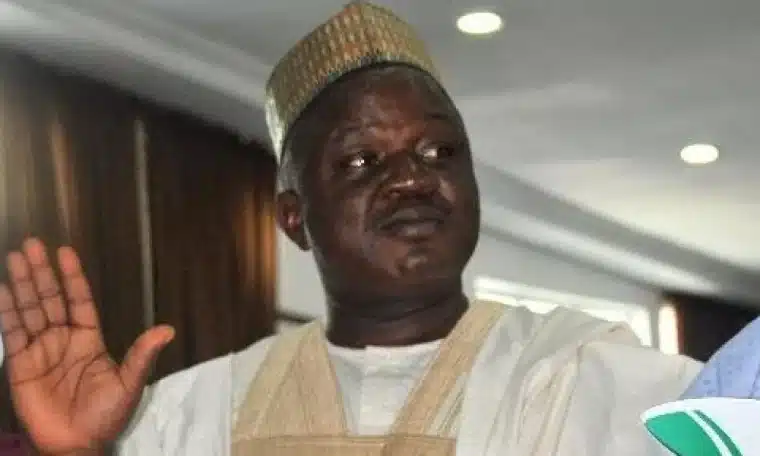
A chieftain of the All Progressives Congress (APC) in Niger State, Jonathan Vatsa, has condemned the economic policies of President Bola Tinubu’s administration, arguing that the removal of fuel subsidy has worsened poverty and left millions of Nigerians struggling to survive.
Vatsa, a former Niger State Commissioner for Information, Culture and Tourism and former APC publicity secretary, said the hardship confronting Nigerians had become overwhelming, describing the situation as “starvation” rather than economic reform.
He also threw his weight behind former Vice President and African Democratic Congress (ADC) presidential candidate, Atiku Abubakar, over his recent criticism of the fuel subsidy removal policy.
In a statement issued in Minna on Sunday and titled, “Let’s Take Atiku Message and Leave the Messenger,” Vatsa urged Tinubu to reverse the policy and apologise to Nigerians for what he described as the devastating consequences of the decision.
He said the administration should focus on the substance of Atiku’s criticism rather than attacking the messenger.
“Even if you don’t like the messenger, you should at least take the message. The whole world knows that the subsidy removal policy of this government has failed; it has pushed Nigerians to extreme poverty,” Vatsa said.
Subsidy Removal Benefits Governors, Political Elites — Vatsa
The APC chieftain argued that the removal of fuel subsidy had failed to deliver meaningful benefits to ordinary Nigerians, claiming that state governors, political office holders and government appointees with access to public funds were the major beneficiaries.
According to him, increased allocations to states following the policy have not translated into improved living conditions, infrastructure or social services for Nigerians.
“The fuel subsidy removal only favoured the 36 state governors, their families, elected political office holders and government appointees who have access to government funds.
“It has not in any way benefited the common masses on the street. It has further pushed low-income earners in Nigeria below the poverty level. Life is meaningless to average Nigerians right now,” he said.
Vatsa accused the government of persisting with a policy it allegedly knows is hurting the population, insisting that the benefits of subsidy removal had largely failed to reach the masses.
He further criticised what he described as excessive spending by some state governors, alleging that increased government revenues had encouraged luxury spending while critical infrastructure remained neglected.
The former commissioner claimed, without providing supporting evidence, that about 90 per cent of governors now owned private jets.
He said many states continued to grapple with abandoned roads, schools and hospitals despite receiving increased monthly allocations.
“You don’t call this system reform, it is starvation. Nigerians can no longer breathe; hardship has overwhelmed the people,” Vatsa said.
‘Energy Subsidies Not Peculiar to Nigeria’
Vatsa also rejected the argument that government intervention in energy pricing was inherently unsustainable, saying countries across the world had adopted measures to shield citizens from sudden increases in energy costs.
He described energy as the “lifeline of every country’s economy” and cited interventions by European countries following the Russia-Ukraine war as examples of governments cushioning the impact of rising energy prices.
According to him, Nigeria could have adopted a similar approach rather than completely withdrawing support for consumers.
‘Government Should Have Tackled Subsidy Corruption’
While acknowledging that corruption had been a major problem in Nigeria’s fuel subsidy regime, Vatsa argued that the appropriate response should have been to eliminate fraudulent practices rather than abolish the subsidy altogether.
“The problem with the subsidy payment in Nigeria is the corruption attached to it, which one would have expected the President to address,” he said.
Vatsa also dismissed the argument that subsidy removal was necessary to provide state governments with sufficient funds to pay salaries.
He argued that despite increased allocations, some state governments still owed salaries and pensions, questioning the economic rationale behind the policy.
“If only payment of salaries is the reason for the removal of fuel subsidy, then the government is ignorant of how to manage the economy.
“Despite the huge allocations, state governments still owe pensioners,” he added.