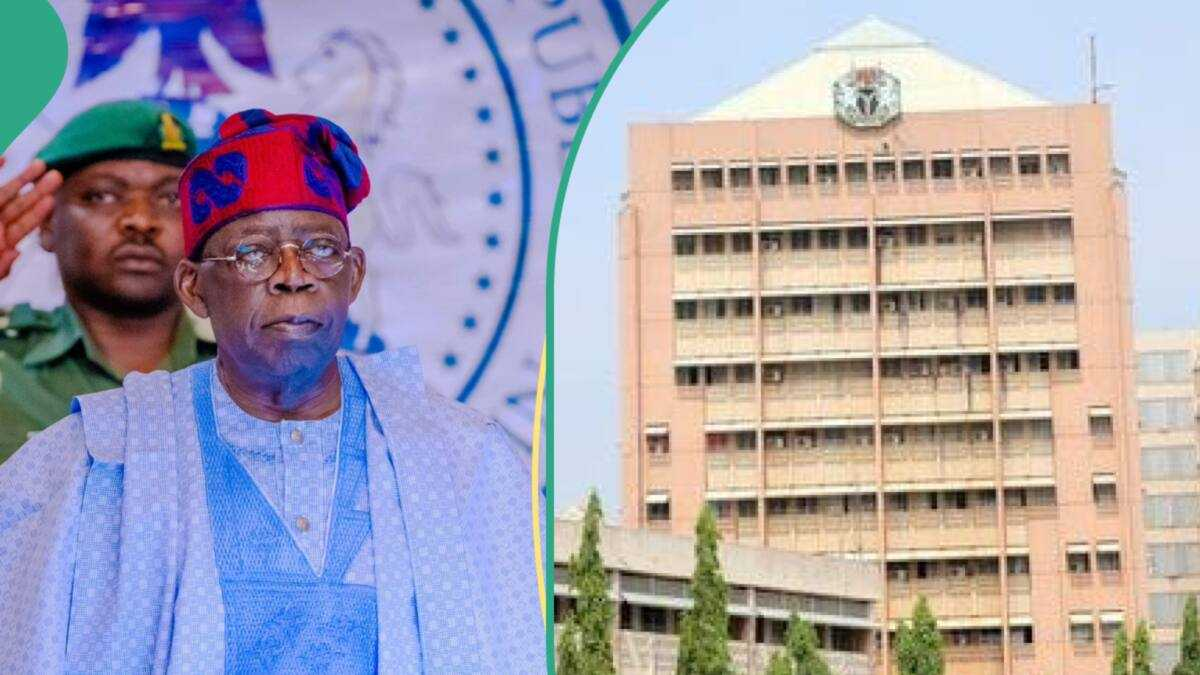
Fintiri, Buni, Sule, AbdulRazaq, Abiodun, Yahaya, Bala, Sanwo-Olu, Zulum, Makinde, Uzodimma, Diri leave billions in liabilities
Twelve state governors whose tenures end in 2027 and early 2028 are set to hand over a staggering combined debt burden of about N5.3tn, raising fresh concerns over the financial health of the affected states.
The governors — Umaru Fintiri of Adamawa, Mai Mala Buni of Yobe, Abdullahi Sule of Nasarawa, AbdulRahman AbdulRazaq of Kwara, Dapo Abiodun of Ogun, Inuwa Yahaya of Gombe, Bala Mohammed of Bauchi, Babajide Sanwo-Olu of Lagos, Babagana Zulum of Borno, Seyi Makinde of Oyo, Hope Uzodimma of Imo and Douye Diri of Bayelsa — are heading towards the end of their administrations with huge domestic and foreign obligations.
Findings based on data from the Debt Management Office showed that the 12 states had accumulated N2.16tn in domestic debt by the first quarter of 2026, while their external obligations stood at approximately $2.33bn based on the latest available state-level figures.
Most of the governors are expected to leave office in 2027 after completing their second terms. Uzodimma and Diri will remain in office until January 15 and February 14, 2028, respectively.
LAGOS CARRIES N1.2TN DEBT LOAD
Lagos towers above the other states, accounting for more than half of the combined domestic debt.
The state's domestic obligations ballooned to N1.205tn as of Q1 2026, compared with N542.231bn when Sanwo-Olu assumed office.
Lagos also recorded the highest external debt among the 12 states, with $1.174bn outstanding in the DMO's 2025 profile.
At the opposite end, Nasarawa recorded the lowest domestic debt at N27.15bn, while Yobe had the lowest external obligation at $46.67m.
DEBT LEGACIES: WINNERS, LOSERS
The debt records reveal sharply contrasting performances.
In Adamawa, Fintiri reduced domestic debt from N95.22bn to N64.7bn, but external debt increased from $100.614m to $124m.
Yobe's domestic debt jumped from N27.47bn to N98.60bn, while external obligations rose from $26.911m to $46.67m under Buni.
In Nasarawa, Sule cut domestic debt dramatically from N89.95bn to N27.15bn, although the state still carries $60.82m in external obligations.
Imo recorded a major domestic debt reduction under Uzodimma, falling from N164.436bn to N81.65bn, but external debt climbed from $64.762m to $117.08m.
Kwara's domestic debt declined marginally from N59.58bn to N56.92bn, while external debt increased from $47.961m to $64.159m.
In Ogun, however, both components surged. Domestic debt rose from N97.050bn to N200.748bn, while external debt more than doubled from $102.154m to $217m.
Gombe reduced domestic debt from N76.895bn to N65.17bn, but external debt increased from $36.960m to $88.7m.
In Bauchi, domestic debt climbed from N93.320bn to N154.45bn, while external obligations rose from $133.705m to $220.6m.
Borno's domestic debt increased from N78.259bn to N88.44bn, while external debt more than tripled from $21.313m to $69.9m.
Bayelsa recorded one of the strongest reductions, with domestic debt falling from N147.930bn to N50.17bn and external debt dropping from $59.551m to $55.5m under Diri.
In Oyo, Makinde reduced domestic debt from N94.140bn to N69.8bn, while external debt fell from $136.531m to $87.5m.
But in Lagos, the picture was mixed: Sanwo-Olu reduced external debt from $1.421bn to $1.174bn, even as domestic debt more than doubled.
ECONOMISTS: BORROWING IS NOT THE PROBLEM
Development economist Uche Nwogwugwu said borrowing was not necessarily harmful if governments invested the funds in productive sectors capable of generating revenue to repay the loans.
He, however, warned that the lack of policy continuity often undermines the economic benefits of state borrowing, as successive administrations abandon existing programmes rather than building on them.
Professor of International Economics Jonathan Aremu similarly argued that productive borrowing could stimulate development, particularly when loans finance infrastructure that expands economic activity.
But he warned that borrowing for projects with little or no economic returns creates “dead-weight debt” and places an unnecessary burden on future administrations and citizens.
NAIRA FALL MAKES FOREIGN DEBT MORE DANGEROUS
Emerging markets analyst Ike Ibeabuchi raised another red flag: the rising cost of servicing dollar-denominated debt following the naira's depreciation.
He noted that the naira had weakened from about N465/$ in May 2023 to around N1,326/$, dramatically increasing the naira value of foreign obligations.
“With naira depreciating, external debts are quite a big burden,” he warned, advising states to consider domestic financing or asset sales where appropriate.
THE BIG QUESTION
With billions already on their books, the critical question confronting the incoming administrations is whether these debts will translate into productive assets, stronger state revenues and better living conditions — or become another crushing financial burden inherited by future governments.