Former Head of State’s knee surgery in India reignites medical tourism debate
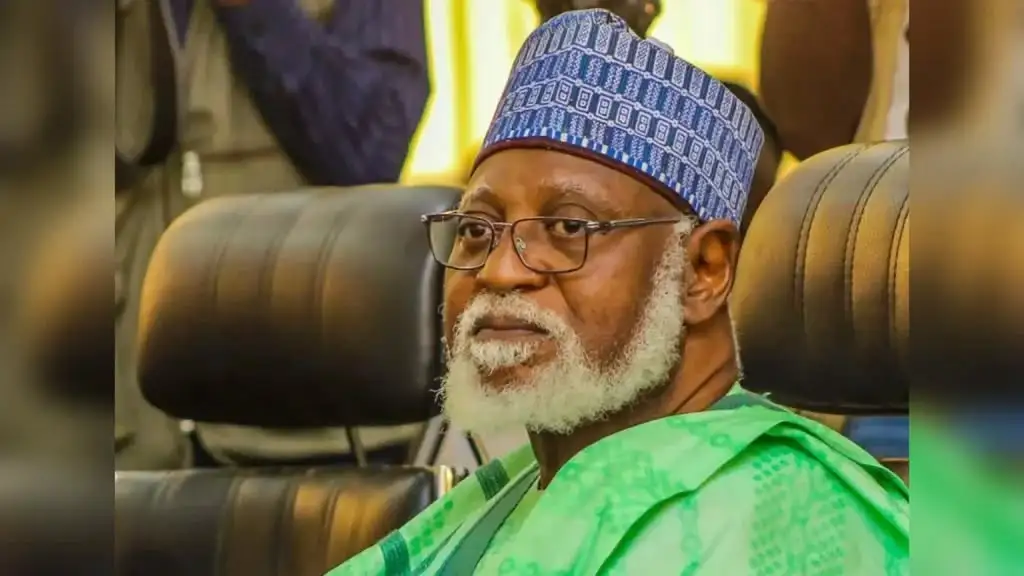
Former Nigerian Head of State, General Abdulsalami Abubakar, has become the face of a promotional campaign by an Indian hospital following his knee replacement surgery, triggering fresh controversy over Nigeria’s dependence on foreign healthcare.
A video of the retired general recovering at Krishna Shalby Hospital in Ahmedabad has gone viral on social media, showing him walking and undergoing rehabilitation exercises after the procedure.
The hospital, which described Abubakar as a former President of Nigeria in its promotional material, said it had successfully treated him for a total knee replacement.
The development has since opened a fresh conversation about why prominent Nigerian leaders and wealthy citizens continue to travel abroad for specialised medical treatment despite successive governments’ promises to strengthen healthcare infrastructure at home.
The hospital also featured Vice President Kashim Shettima in social media posts after his visit to the facility.
Hospital showcases Abubakar’s recovery
In a social media post on Monday, the Indian hospital said Shettima visited its facility and met with its management over Abubakar’s progress and wellbeing.
It described the visit as evidence of “growing trust in India’s healthcare”, while emphasising its role in treating international patients.
“When patients travel across borders for specialised care, their trust means everything,” the hospital said.
The promotional material includes images and video of Abubakar during his recovery, including footage of the former Head of State walking and exercising after the operation.
It was not immediately clear whether Abubakar’s treatment was entirely funded by the Federal Government.
However, Nigerian law provides medical benefits for former Presidents and Heads of State, including treatment abroad where considered necessary at government expense.
The 2026 Federal Government budget also contains N2.3bn for the entitlements of former Presidents, Heads of State and their deputies.
Sowore kicks
The hospital’s decision to use Abubakar’s treatment in its promotional campaign has drawn criticism from some Nigerians.
Activist and presidential candidate Omoyele Sowore, who shared the video on X, questioned the symbolism of a former Nigerian Head of State undergoing major surgery abroad while the country continues to struggle with its healthcare system.
“This is former Nigerian Head of State, General Abdulsalami Abubakar, being used in a hospital advert after undergoing knee replacement surgery in India,” Sowore said.
He questioned why Nigerian leaders who had opportunities to influence public policy and investment in healthcare continued to seek specialised treatment outside the country.
Sowore described the development as evidence of what he called “decades of failed leadership and neglect of Nigeria’s healthcare system.”
Lawyer Aloy Ejimafor also criticised the development, describing the use of Abubakar’s image by the Indian hospital to advertise its knee replacement services as a “diplomatic insult.”
Medical tourism headache
Abubakar’s treatment has once again placed Nigeria’s medical tourism problem under the spotlight.
The issue has remained a recurring source of criticism, particularly when senior political figures seek treatment abroad despite holding positions that give them influence over the country’s healthcare policies.
Former President Muhammadu Buhari, for instance, faced sustained criticism over repeated medical trips to the United Kingdom during his presidency.
Recent data and official statements have continued to highlight the scale of Nigeria’s medical tourism challenge.
In April 2025, Coordinating Minister of Health and Social Welfare, Muhammad Pate, said Nigeria loses an estimated $2bn annually to medical tourism, attributing the problem to gaps in confidence, access and quality within the domestic healthcare system.
Pate said the answer was not merely to stop Nigerians from travelling abroad but to build what he called “health sovereignty” — the capacity of Nigeria to provide quality care, develop its institutions and retain medical expertise.
“This is not just about stopping medical tourism. It is about building health sovereignty, the ability of a country to care for its own people, develop its institutions, talent, and innovation,” he said.
The controversy surrounding Abubakar’s treatment therefore goes beyond one former Head of State’s medical procedure, with critics using the episode to renew questions about Nigeria’s ability to provide specialised healthcare at home — and why some of the country’s most powerful citizens continue to look abroad when they need advanced medical care.