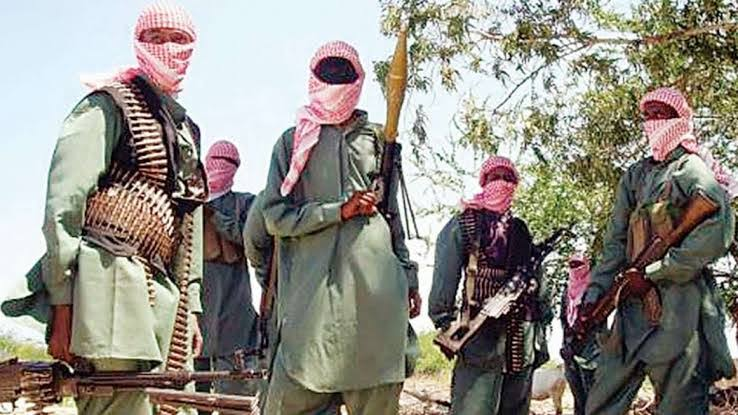
The Nigerian government has reportedly entered into a secret ceasefire agreement with the Boko Haram faction led by Bakura Doro, helping to keep parts of Borno State relatively calm for about three months.
The reported agreement, which the Federal Government has not publicly acknowledged, was disclosed by The New Humanitarian, which cited three people with contacts among senior members of the insurgent group.
The truce reportedly took effect in June and could be extended.
At the centre of the alleged negotiations was the release of more than 300 civilians abducted from Ngoshe, Gwoza Local Government Area of Borno State, in March.
Ngoshe hostages and alleged N5bn ransom
The victims spent about 95 days in captivity before they were released in June.
The government said their release followed an intelligence-led operation involving troops of Operation Hadin Kai and the State Security Service.
But sources cited by The New Humanitarian said the hostages were released after negotiations involving government representatives, intermediaries and Boko Haram members.
The sources further alleged that N5 billion was paid as ransom.
The Federal Government has consistently denied paying ransom to terrorist groups.
The allegation, however, has surfaced repeatedly.
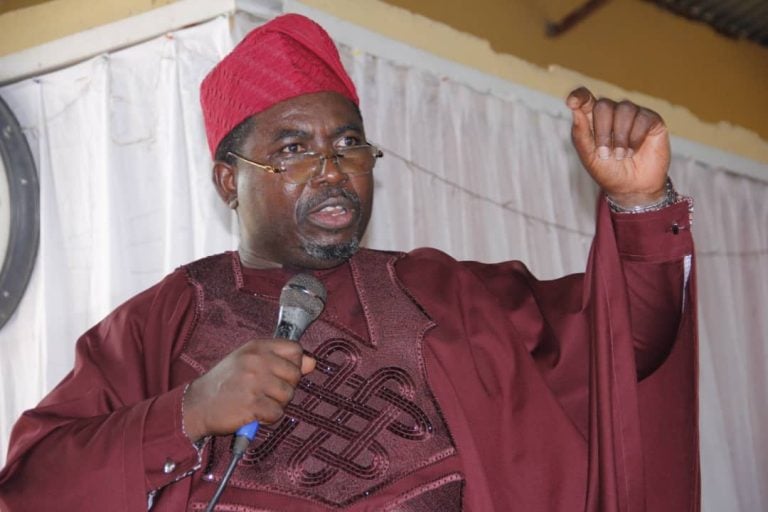
Borno youth leader Samaila Kaigama claimed in a July Channels Television interview that N5 billion was paid to secure the hostages' release.
He also linked Senator Ali Ndume to the alleged arrangement. Ndume rejected the claim.
Kaigama was later arrested and arraigned by the State Security Service, which alleged that he was involved in extorting families of kidnapping victims.
A separate report by SBM Intelligence also claimed that N5 billion was paid for the release of the Ngoshe victims.
Borno records unusual lull
The alleged ceasefire appears to have coincided with a marked reduction in attacks attributed to Doro's faction.
The New Humanitarian reported that residents and humanitarian workers had observed an unusual lull in violence across parts of Borno since June.
But the reported truce does not extend to Islamic State West Africa Province (ISWAP).
ISWAP remains active around the Lake Chad region and continues to attack military positions and civilian communities.
The distinction is significant because Boko Haram has become increasingly fragmented, with rival factions pursuing separate strategies and alliances.
Who is Bakura Doro?
Doro emerged as a major Boko Haram figure following the death of the group's former leader, Abubakar Shekau, who was killed during an internal confrontation with ISWAP in 2021.
Three factions reportedly loyal to Doro operate across parts of the Northeast and North-central Nigeria.
Two are said to be led by Ali Ngulde and Alhai Kale, while another faction in the North-central is reportedly led by Mallam Sadiku.
Doro is believed to operate from the islands of Lake Chad, where difficult terrain and limited security presence have helped insurgents establish bases.
Government refuses to confirm truce
The Federal Government has not confirmed the reported agreement.
When contacted by PREMIUM TIMES, presidential spokesperson Bayo Onanuga directed enquiries to the Ministry of Defence or the Office of the National Security Adviser.
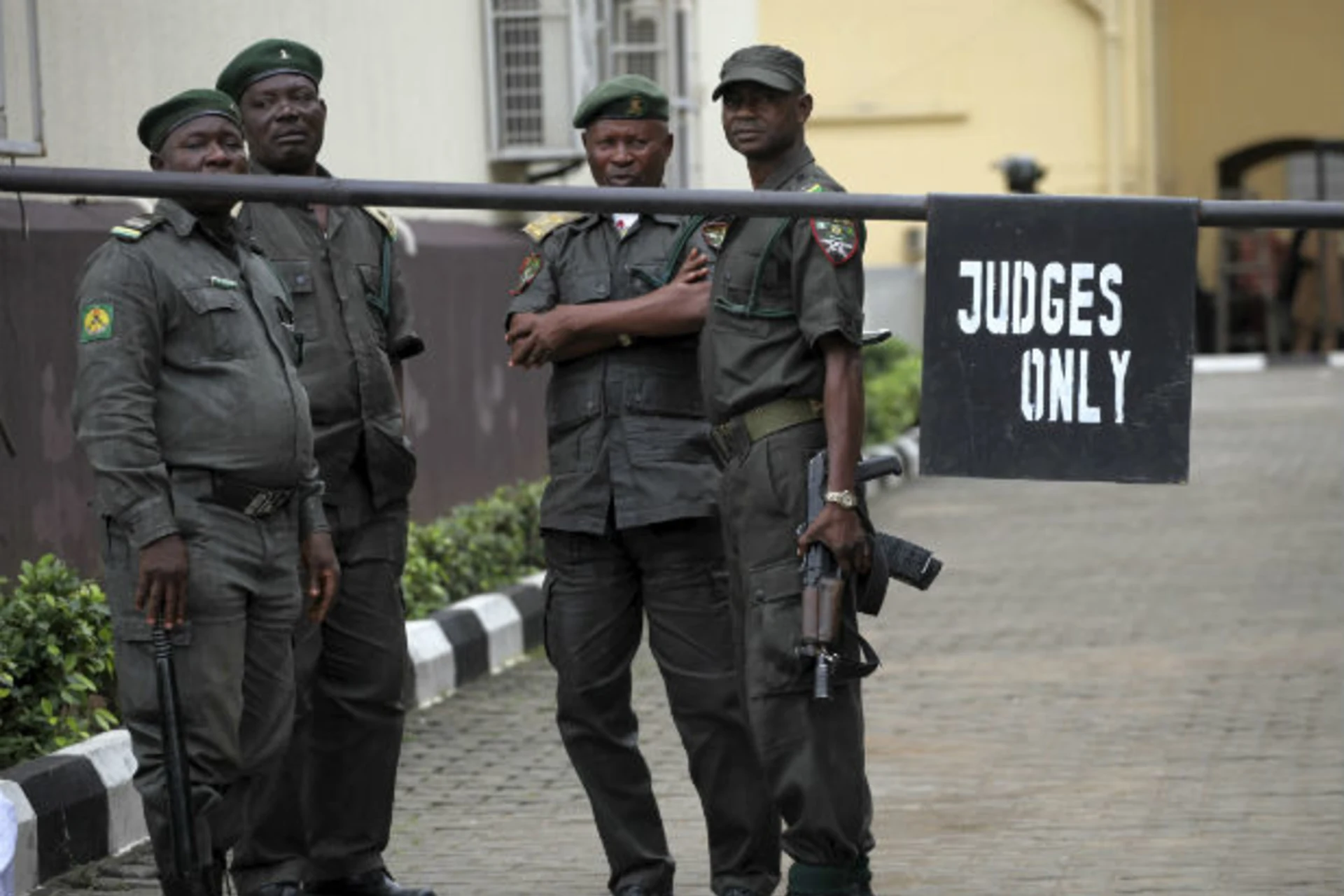
Defence Headquarters spokesperson Samaila Uba reportedly did not respond to calls and messages seeking clarification.
A similar message to an NSA spokesperson also went unanswered.
The reported ceasefire would represent one of the most significant recent attempts at dialogue between the Nigerian government and a Boko Haram faction.
But its existence remains officially unconfirmed.
'It may only benefit both sides'
Security analysts have warned against interpreting the reported lull as evidence of a lasting peace process.
Malik Samuel, a conflict researcher at Good Governance Africa, described the reported arrangement as potentially tactical.
“It could be just a temporary, tactical ceasefire that benefits both sides, but doesn’t really affect the trajectory of the war.”
Samuel questioned whether the arrangement could lead to a sustainable peace settlement, particularly as ISWAP remains active and Boko Haram factions remain fragmented.
Nigeria's non-kinetic strategy
The reported truce comes amid the government's growing emphasis on “non-kinetic” approaches to insecurity.
Similar local peace arrangements have been reported in parts of Katsina, Kaduna and Zamfara states, where authorities have negotiated temporary agreements with armed groups.
The military has, however, maintained that it does not negotiate ransom payments.
At a recent security briefing, Defence spokesperson Uba said the military's primary responsibility remained kinetic operations, while acknowledging its participation in broader government-led non-kinetic initiatives.
For now, the reported Boko Haram ceasefire remains unconfirmed.
What is clear is that the alleged truce has coincided with a rare period of calm in parts of Borno—raising a difficult question for Nigeria's counter-insurgency strategy:
Can dialogue deliver lasting peace, or will a temporary ceasefire simply give insurgents time to regroup?