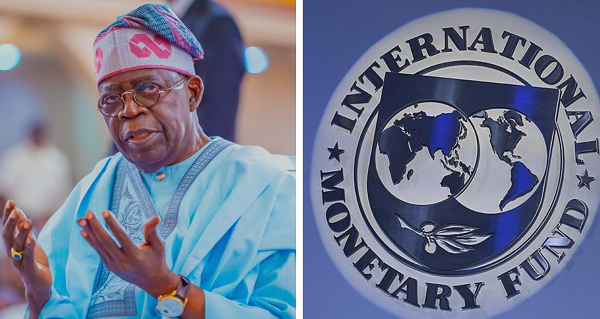
The International Monetary Fund (IMF) has sounded a fresh global debt alarm, warning that public debt worldwide is on course to explode beyond 100 per cent of global Gross Domestic Product (GDP) as soaring energy prices, expensive borrowing and mounting fiscal pressures threaten economies.
But as the IMF warns of a looming debt crisis, the Presidency has pushed back against growing concerns over Nigeria’s own debt burden, insisting that the country is far from being one of Africa’s most indebted nations.
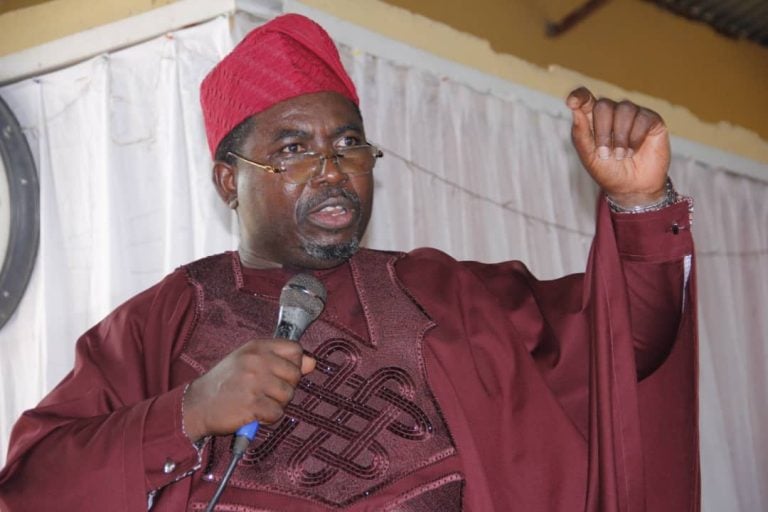
President Bola Tinubu’s Special Adviser on Information and Strategy, Bayo Onanuga, said Nigeria’s debt-to-GDP ratio remains around 35 per cent, arguing that critics have exaggerated the country’s debt position.
Onanuga made the declaration after StatiSense published a ranking of public debt-to-GDP ratios across selected African countries, using IMF data.
The figures showed a stark contrast between Nigeria and some of the continent’s most heavily indebted economies.
Sudan topped the ranking at 169.1 per cent, followed by Senegal at 132.3 per cent and Mozambique at 106.1 per cent, while Nigeria was listed at 35.5 per cent.
“Another stubborn fact for those whose stock in trade is to denigrate Nigeria and the Tinubu presidency and raise baseless alarms about our sovereign debt,” Onanuga posted on X.
“Our country is not among Africa’s most indebted countries. Unlike the countries listed here, our debt burden is about 35 per cent of our GDP,” he added.
IMF: Global Debt Heading Into Dangerous Territory
While the Presidency defended Nigeria’s position, IMF Managing Director, Kristalina Georgieva, delivered a stark warning about the direction of the global economy.
Speaking in Singapore ahead of next week’s IMF-World Bank Annual Meetings in Bangkok, Thailand, Georgieva said global public debt was approaching its highest level since the aftermath of World War II.
She warned that governments could no longer afford to postpone difficult economic decisions.
“You have the tools; now acquire the wisdom to use them,” Georgieva told policymakers.
According to the IMF chief, the global economy is facing three major pressures: the rapid expansion of Artificial Intelligence, persistently high energy prices and unprecedented levels of public debt.
She said oil prices remained around $100 per barrel, while disruptions to Gulf supplies and a global shortage of refining capacity were driving up the cost of refined petroleum products.
Georgieva further warned that natural gas supplies from the Gulf remained severely disrupted and shipping through the strategically vital Strait of Hormuz was under threat.
She said Brent crude futures indicated that high oil prices could persist through 2027, even if the Gulf conflict ended soon.
‘Governments Must Act Now’
Georgieva also took aim at governments struggling with ballooning debt, warning that highly indebted advanced economies were not moving fast enough to bring their fiscal positions under control.
She called for credible medium-term plans to reduce fiscal deficits and urged emerging economies to build stronger fiscal buffers and foreign exchange reserves.
The IMF chief also said Artificial Intelligence could provide a significant boost to the global economy, potentially adding up to 0.5 percentage points to annual global growth and lifting the growth rate from around three per cent to 3.5 per cent over time.
Nigeria’s N166.7tn Debt Raises Fresh Questions
Despite the Presidency’s defence, Nigeria’s debt position remains a subject of intense economic and political debate.
The Federal Ministry of Finance puts the country’s total public debt at about N166.7 trillion as of the second quarter of 2026, with the debt-to-GDP ratio at approximately 35.5 per cent.
The IMF’s April 2026 Fiscal Monitor had projected Nigeria’s debt-to-GDP ratio at 32.3 per cent in 2026, compared with 35.5 per cent in 2025, before rising slightly to 33.1 per cent in 2027.
But the headline debt-to-GDP figure tells only part of the story.
Economists also assess a country’s ability to generate revenue, meet debt-servicing obligations, withstand currency depreciation, absorb higher interest rates and manage the structure and maturity of its debt.
The Debt Management Office said Nigeria’s total public debt stood at N159.28 trillion at the end of December 2025, before subsequent increases.
The figure covers debts owed by the Federal Government, the 36 states and the Federal Capital Territory.
With global debt climbing towards historic levels and Nigeria’s own debt stock continuing to rise in naira terms, the central question is no longer simply how much Nigeria owes—but whether government revenue can keep pace with the cost of servicing the debt.