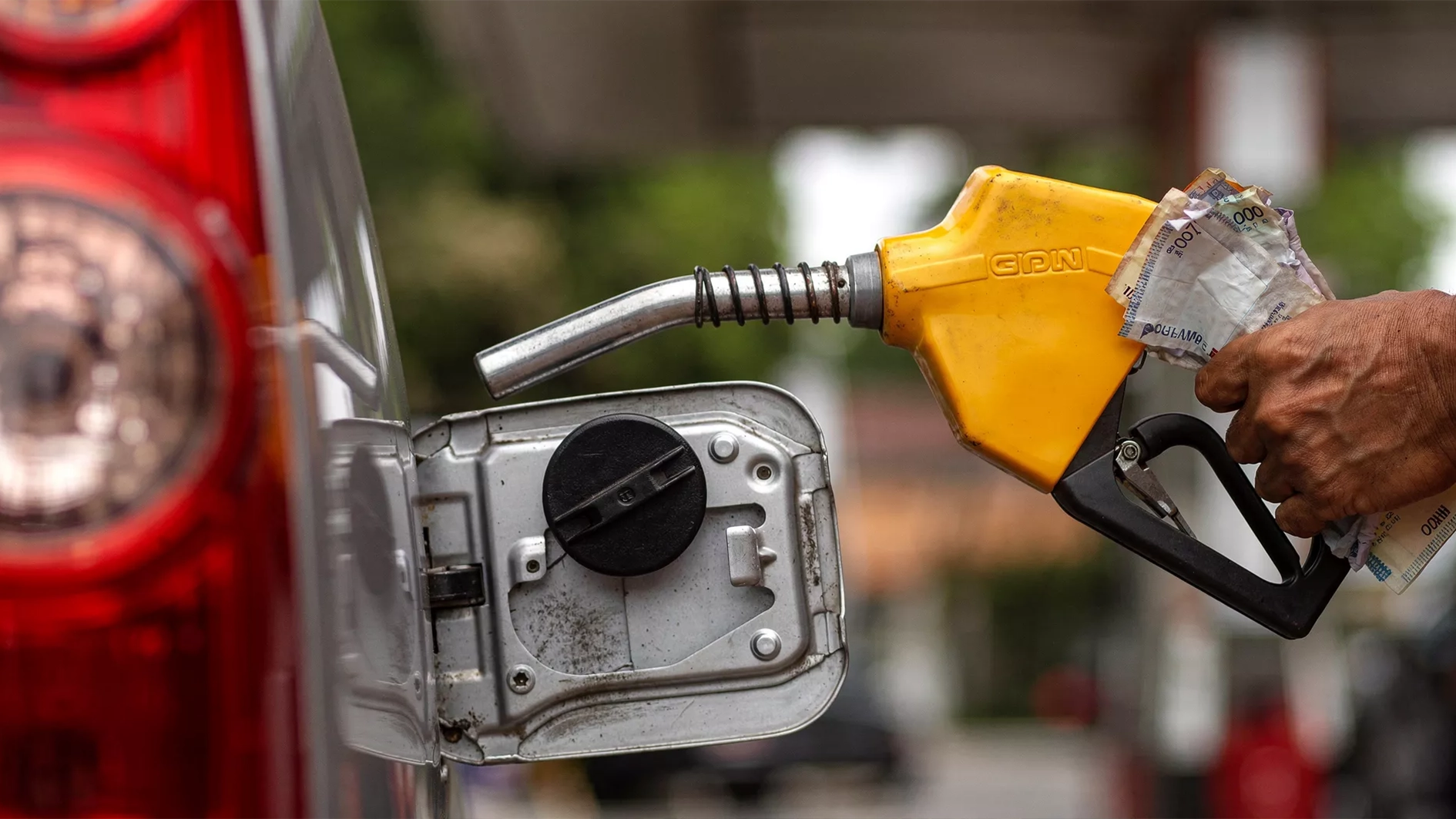
Petrol depot prices have surged across Lagos, Port Harcourt, Warri and Calabar, with several marketers in Port Harcourt raising their prices to N1,900 per litre, amid rising global oil prices and mixed retail trends across the country.
The latest increases have heightened concerns about a possible further rise in domestic fuel prices, even as some filling stations in Lagos continue to sell petrol below the rates charged by independent marketers.
NIPCO led the latest price adjustments in Port Harcourt, increasing its Premium Motor Spirit (PMS) price by N170 per litre, from N1,730 to N1,900.
Six other depots — African Terminal, Ascon, Eterna, Gulf Treasure, Ibachem and Ibeto — also raised their prices from N1,750 to N1,900 per litre, representing an increase of N150.
Duport and Integrated increased their depot prices by N56, from N1,750 to N1,806 per litre.
In Lagos, Masters raised its petrol price from N1,303 to N1,350 per litre, while Matrix increased its rate from N1,330 to N1,360.
Sigmund and T.S.L raised their prices from N1,300 to N1,350 per litre, while NIPCO increased its rate from N1,326 to N1,350.
In Calabar, Matrix raised its depot price from N1,315 to N1,370 per litre.
Similarly, Keonamex, Matrix, Nepal and Parker increased their prices in Warri from N1,315 to N1,360 per litre, while Optima raised its rate from N1,330 to N1,360.
Petrol prices differ across filling stations
Despite the wholesale increases, pump prices remained uneven across retail outlets, particularly in Lagos and its environs.
NNPC Limited sold petrol at N1,360 per litre at its filling stations, while MRS Oil Nigeria Plc and 11 Plc sold the product at N1,338 and N1,338.80 per litre, respectively.
Independent marketers charged between N1,368 and N1,400 per litre, depending on location.
The variations mean motorists buying from MRS and 11 Plc paid less than customers patronising some independent filling stations, where prices reached N1,400 per litre.
The contrasting trends highlight persistent differences between wholesale and retail pricing, as depot operators adjust their rates while some filling stations maintain comparatively lower pump prices.
Diesel prices rise sharply
The diesel market also recorded significant increases, particularly in Warri, where Rain Oil and Matrix raised their Automotive Gas Oil (AGO) prices by N180 per litre, from N1,720 to N1,900.
In Port Harcourt, Dangote increased its diesel price from N1,702 to N1,720 per litre, while Masters raised its rate from N1,788 to N1,825.
The increases could further raise operating costs for manufacturers, transport operators and businesses that depend heavily on diesel for electricity generation and transportation.
A sustained rise in diesel prices could also put additional pressure on production and distribution expenses, potentially feeding into the cost of goods and services.
Global oil prices record mixed movements
The latest domestic price adjustments coincided with increases in some international oil benchmarks.
Brent crude rose to $104.50 per barrel from $104.28, while the United States benchmark, West Texas Intermediate (WTI), increased to $91.73 from $91.49.
The OPEC Basket also climbed to $109.50 per barrel from $108.59, while WTI Midland rose to $92.74 from $92.32.
Natural gas prices increased to $3.235 from $3.168, while the Indian Basket advanced to $121.10 per barrel from $117.63.
However, the international market recorded declines in some products. Murban crude fell from $110.49 to $108.50 per barrel, while gasoline dropped from $3.316 to $3.293 and heating oil declined from $4.883 to $4.724.
The mixed movements suggest that domestic depot price increases cannot be attributed solely to daily changes in crude oil prices. Replacement costs, product availability, logistics and individual marketers’ pricing decisions may also influence local prices.
Commenting on the developments in an interview with Vanguard, the Chief Executive Officer of Petroleumprice.ng, Olatide Jeremiah, said the Nigerian downstream petroleum sector would continue to respond to developments in the international oil market.
“Despite domestic issues and development in Nigeria, the downstream sector would continue to respond or react to developments at the global oil market,” he said.
With petrol depot prices reaching N1,900 per litre in Port Harcourt and diesel hitting the same level in Warri, the latest increases underscore the continuing volatility in Nigeria’s downstream petroleum market and the potential pressure on consumers and businesses if the trend persists.