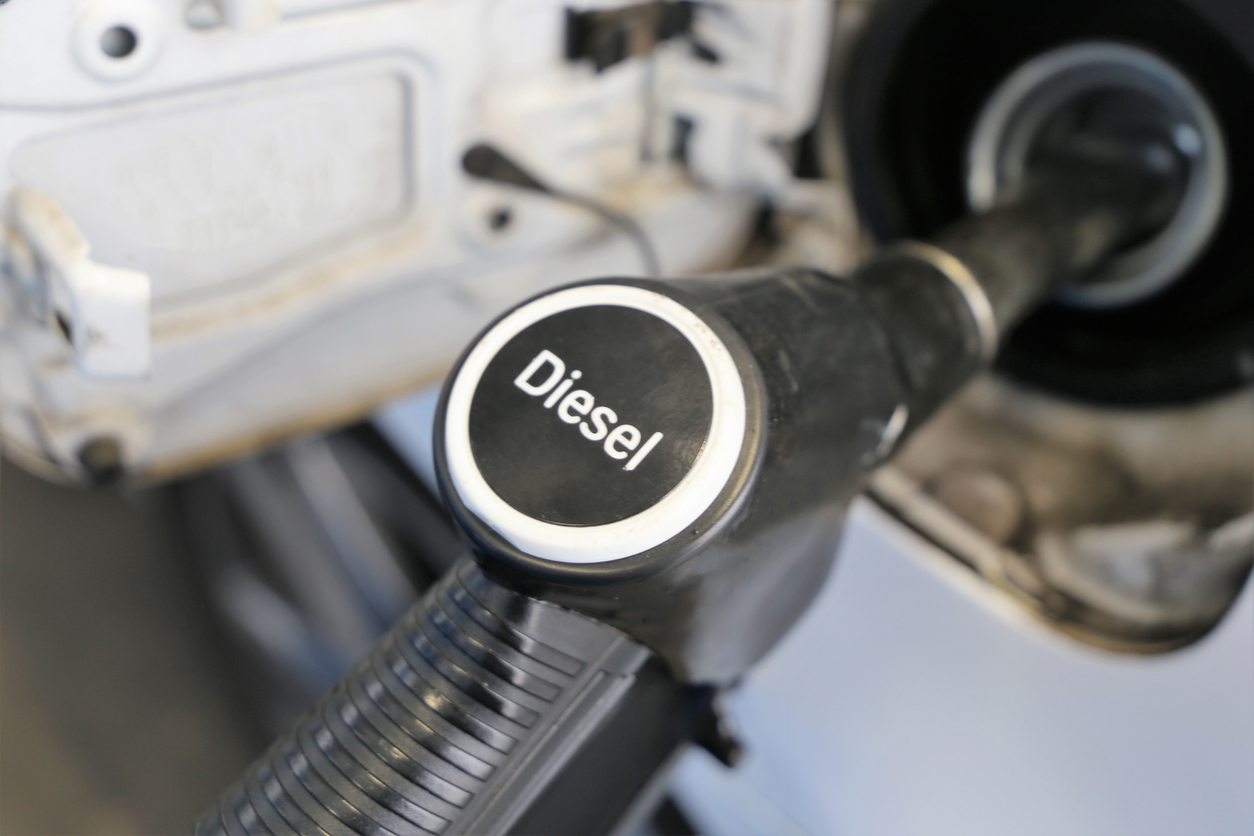
Nigeria recorded the world’s steepest increase in diesel prices between February and August 2026, with pump prices surging by 82.7 per cent, according to a new report by the United Nations Conference on Trade and Development (UNCTAD).
The report, titled Trade and Development Report 2026: The Geoeconomics of Development, was released on Friday, October 9, 2026, using fuel-price data as of August 31.
Nigeria’s diesel price surge outpaced increases recorded in Lebanon, Peru and Guatemala, where prices rose by 73.6 per cent, 66.7 per cent and 66.3 per cent, respectively.
The country also recorded the world’s fourth-highest increase in petrol prices, with pump prices climbing by 48.1 per cent during the period.
Myanmar led the global petrol-price increase at 50.7 per cent, followed by the United Arab Emirates at 49.8 per cent and Malaysia at 48.4 per cent.
UNCTAD said the global energy shock had affected countries unevenly, with developing economies, particularly in Africa and Asia, experiencing some of the sharpest domestic fuel-price increases.
It warned that rising energy costs were eroding household purchasing power, reducing real incomes and constraining consumer spending.
The report attributed the surge to damage to energy infrastructure and disruptions to shipments through the Strait of Hormuz, describing the resulting disruption as the largest monthly loss of global energy supply on record.
According to UNCTAD, Brent crude oil prices climbed from about $70 per barrel to more than $110 following the outbreak of the conflict. It projected that prices would remain more than $30 per barrel above pre-conflict levels through the end of 2026.
Higher Oil Prices Could Boost Nigeria’s Revenue
Despite the pressure on domestic fuel prices, UNCTAD identified Nigeria, Angola, Guyana and Kazakhstan as oil and gas exporters positioned to benefit from higher international energy prices.
For Nigeria, stronger crude oil prices could translate into increased export earnings. However, the report warned that such gains could be undermined by inadequate domestic refining capacity and the resulting cost of importing refined petroleum products.
Although Nigeria’s refining capacity has expanded, continued petrol imports leave domestic fuel prices vulnerable to movements in the international market.
Recent domestic data cited in the report, however, point to a gradual reduction in Nigeria’s dependence on imported petrol.
The Dangote Petroleum Refinery reportedly supplied about 50 million litres of petrol daily to the domestic market during the first half of 2026.
Meanwhile, average daily petrol imports fell by 26 per cent to 14.6 million litres in August, down from 19.7 million litres in July.
Nigeria’s petrol import bill also dropped sharply by 96.15 per cent to N87.40bn in the first quarter of 2026, compared with N2.27tn recorded in the corresponding period of the previous year.
Court Orders Continued Issuance of Petrol Import Licences
Despite the expansion of domestic refining, petroleum import licences remain part of Nigeria’s downstream market.
In September, the Federal High Court in Abuja ordered the Nigerian Midstream and Downstream Petroleum Regulatory Authority to continue issuing import licences to Matrix Energy, AA Rano and AYM Shafa, subject to applicable statutory and regulatory requirements.
The development underscores the continued role of imported petroleum products in Nigeria’s fuel supply chain, even as domestic refining capacity increases.
UNCTAD Backs Electric Mobility to Reduce Fuel Dependence
Beyond immediate market pressures, UNCTAD identified electric mobility as a potential long-term solution to reducing countries’ exposure to international fuel-price shocks.
The report noted that wider adoption of electric motorbikes and buses could reduce dependence on petrol and diesel while strengthening national energy security.
For Nigeria, where sharp increases in fuel prices have significant implications for transportation, businesses and household spending, the transition could help reduce vulnerability to future global energy disruptions.
The report’s findings highlight the challenge facing Nigeria: higher crude oil prices may boost export earnings, but without sufficient domestic refining and reduced dependence on imported petroleum products, international energy shocks can continue to drive up costs for consumers and businesses.