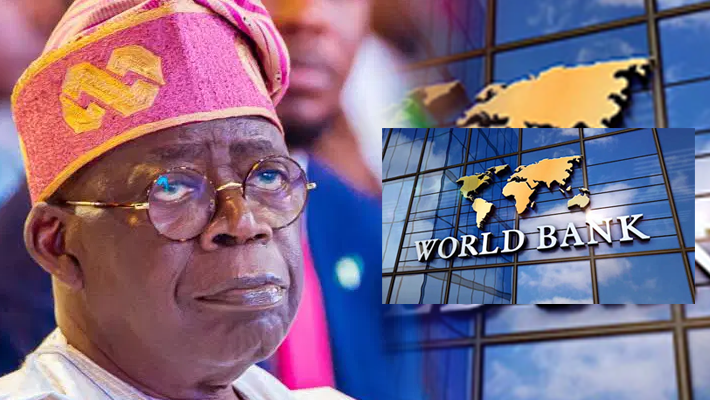
The World Bank has urged the Federal Government to expand its cash transfer programme, increase payments and ensure regular disbursements, despite spending N658.9bn to support 10.46 million poor and vulnerable households as of September 2026.
The bank warned that the programme’s impact on household welfare would depend on reaching more Nigerians, providing adequate financial assistance and ensuring beneficiaries receive payments consistently.
The recommendation was contained in the latest Nigeria Development Update, titled Beyond the Federal Purse: How Higher Revenues Shaped State Priorities, which examined Nigeria’s economic conditions and government interventions to cushion households against financial hardship.
According to the report, the Federal Government deployed biometric and digital verification systems to identify beneficiaries and facilitate payments under the direct cash transfer scheme.
While acknowledging the reported disbursement, the World Bank said the initiative needed to be expanded and strengthened to provide more meaningful relief to households grappling with economic pressures.
“Social protection and service delivery can help cushion households against these pressures, though their effectiveness will continue to depend on coverage, adequacy, and continuity,” the report stated.
The bank called for faster implementation of the programme, stressing that improvements in the number of beneficiaries, the value of payments and the regularity of disbursements were necessary to increase its impact.
It said the government must build on the existing progress to establish a permanent social protection system rather than rely mainly on emergency interventions.
“These efforts need to be accelerated and deepened, with continued progress on coverage, adequacy, and consistency of transfers necessary to broaden and strengthen their contribution to household welfare,” the report added.
World Bank Wants FG, States to Commit More Funds
The World Bank also called on federal and state governments to establish sustainable funding arrangements for social protection programmes, warning that long-term assistance would require dedicated budgetary provisions and increased domestic financing.
“Building on this progress, the next step is to move from an emergency response toward a regular, sustainable social protection system, with dedicated budget lines at the federal and state levels, gradually increasing financing from government resources, and a shared overarching vision,” the bank stated.
The recommendation places greater responsibility on state governments to complement federal cash transfers with their own social assistance programmes and budgetary commitments.
According to the bank, dedicated allocations at both levels of government would make payments more predictable, reduce dependence on temporary interventions and strengthen the delivery of assistance to vulnerable Nigerians.
A coordinated national framework, it added, would also help improve the monitoring and effectiveness of social protection initiatives.
The bank’s position underscores the need for a long-term strategy that combines predictable funding, coordinated government action and consistent payments to ensure that poor and vulnerable households receive sustained support.