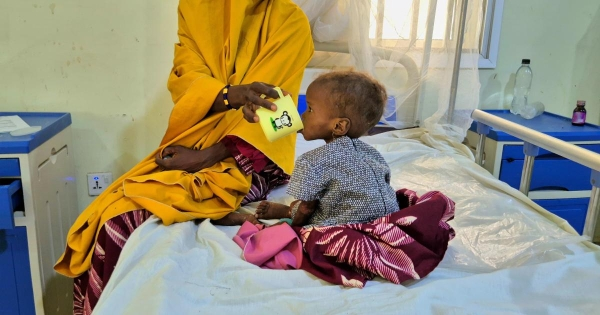
An estimated 3.9 million Nigerian children are suffering from wasting, nutrition experts have warned, raising fresh concerns that soaring food prices, poverty and declining household purchasing power are putting the health and future productivity of millions of children at risk.
The experts warned that Nigeria’s nutrition crisis was not limited to undernutrition, as stunting and wasting coexist with rising overweight, obesity and diet-related diseases, including diabetes and stroke.
They spoke at the 2026 Nestlé Business Journalism and Nutrition Programme, organised in partnership with Pan-Atlantic University for journalists.
A nutrition scientist at the University of Ibadan, Dr Ibukun Afolami, cited figures showing that millions of Nigerian children suffer from wasting, a condition characterised by low weight for height and commonly associated with inadequate nutrition and illness.
Afolami warned that malnutrition could have far-reaching consequences for children’s cognitive development, educational performance and productivity in adulthood, potentially undermining Nigeria’s long-term economic growth.
“If one out of every three Nigerian children is stunted because of inadequate nutrition, what does it say about the economy we are building for the future?” the nutrition scientist asked.
The scale of the problem is reflected in the 2024 Nigeria Demographic and Health Survey, which found that 40 per cent of children under five were stunted, eight per cent suffered wasting, while 27 per cent were underweight.
Afolami explained that the three conditions measure different forms of undernutrition. Stunting reflects impaired growth, wasting indicates low weight for height, while underweight refers to low weight for a child’s age.
The scientist urged journalists to move beyond reporting nutrition as an issue of individual dietary choices and investigate the economic and structural factors determining what Nigerian households can afford to eat.
According to Afolami, food production, availability, prices, marketing practices and government policies all influence access to nutritious meals.
The scientist stressed that meaningful nutrition reporting should connect the experiences of families struggling to feed their children with weaknesses in the food system that make healthy diets increasingly difficult to afford.
Also speaking at the programme, media scholar and public affairs professional, Dr Richard Ikiebe, blamed inflation and declining purchasing power for forcing many Nigerian families to compromise on food quality.
“There is no household in Nigeria that chooses its diet in a vacuum. Choice of diet is a function of capacity. It is a function of money in the pocket,” Ikiebe said.
He illustrated the economic pressures facing households with the example of women buying rotten tomatoes because they could not afford better-quality alternatives.
Ikiebe argued that public campaigns urging Nigerians to eat healthily would have limited impact unless they addressed the financial realities preventing many families from following such advice.
He urged journalists to investigate how rising food prices affect household diets, pointing to the increasing cost of bread and the reduction of protein in family meals as examples of how economic hardship translates into nutritional deficiencies.
The public affairs expert also called for closer scrutiny of the players controlling different stages of the food supply chain and their influence on food availability and affordability.
He identified insecurity, transportation challenges, inadequate storage facilities and post-harvest losses as critical issues requiring sustained media attention because of their effects on farmers, food supplies and prices paid by consumers.
The speakers maintained that Nigeria’s nutrition crisis could not be addressed effectively without tackling the underlying economic and food-system challenges that limit access to balanced diets.
They warned that the consequences extend beyond individual households, threatening children’s health, learning capacity and future earning potential, with broader implications for national development.
They called on journalists to intensify investigative reporting on food affordability, nutrition and public policy, stressing that ensuring access to nutritious meals is essential to building a healthier and more productive population.