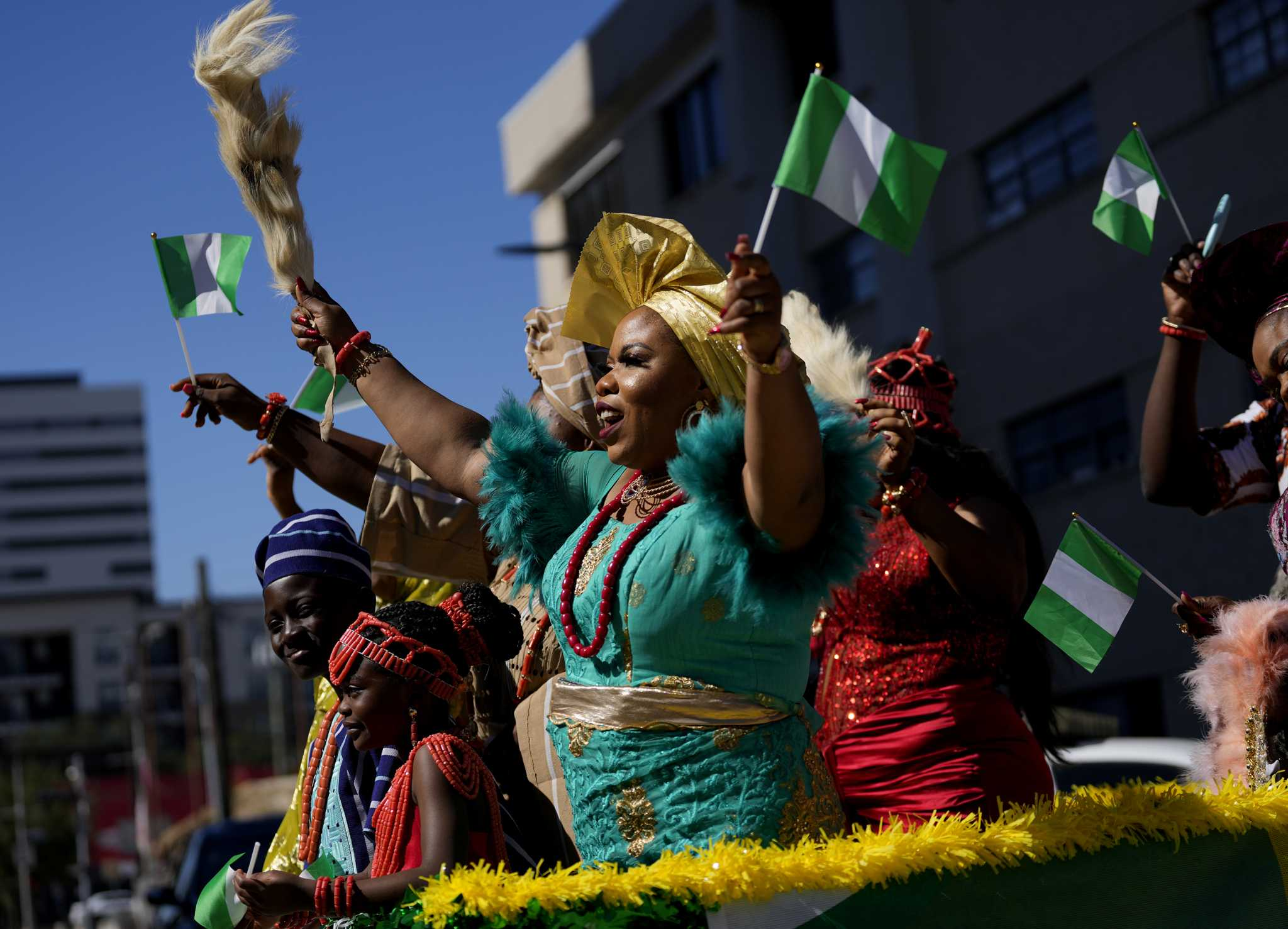
As Nigeria marked its 66th Independence anniversary on October 1, 2026, citizens across the country reflected on six decades of self-rule, with many expressing frustration over worsening economic hardship, insecurity and what they described as persistent leadership challenges.
While the anniversary offered an opportunity to celebrate Nigeria’s journey since independence, several Nigerians who spoke said the occasion also provided a moment to examine how far the country has progressed — and how much remains unresolved.
For many, rising food prices, soaring transportation costs, insecurity and declining purchasing power have made everyday life increasingly difficult.
A retired civil servant, James Adamu, recalled the early years of independence, saying the country’s first generation of leaders made significant efforts toward national development.
According to him, the era of Dr Nnamdi Azikiwe, Sir Ahmadu Bello and Sir Abubakar Tafawa Balewa, among others, was characterised by what he described as greater fairness in leadership and relative peace across the country.
Adamu, however, lamented that tribalism, favouritism and other practices gradually became entrenched, contributing to problems affecting security, agriculture and the provision of social amenities.
‘It appears we are living without leadership’
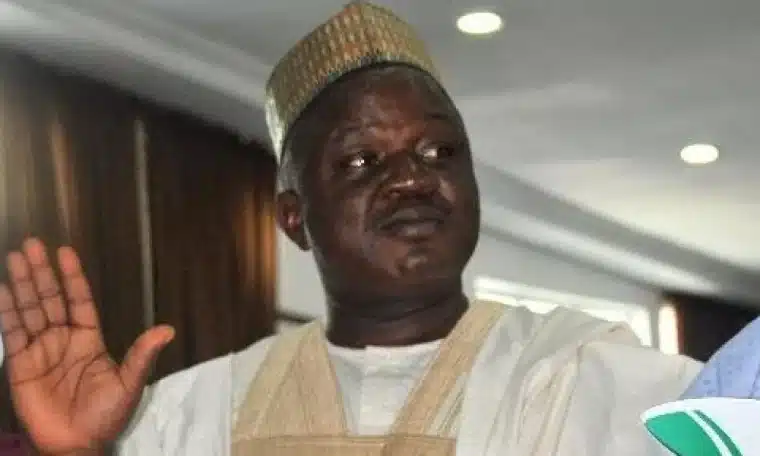
A Peoples Democratic Party (PDP) chieftain in Kaduna State, Suleiman Buhari, expressed concern over what he described as the deteriorating state of leadership across the country.
“It appears we are living in a society where there is no leadership. We are all living where no one cares for the welfare of the other.
He argued that the situation had contributed to the spread of insecurity, hardship and other social problems.
Buhari said attacks and killings had become increasingly common in parts of the country, adding that the growth of kidnapping and other forms of criminality had further deepened public anxiety.
He also alleged that some highly placed individuals had become involved in criminal activities for financial gain.
APC chieftain calls for collective responsibility
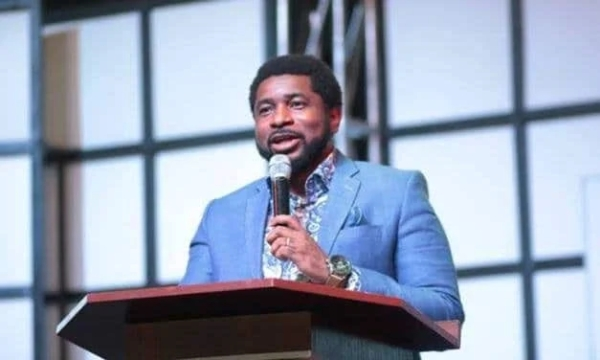
An All Progressives Congress (APC) chieftain in Kaduna State, Adamu Maiyaki, said the challenges confronting the country required Nigerians to examine their individual and collective responsibilities.
Maiyaki noted that Nigerians were increasingly blaming one another for the country’s problems, arguing that greater sincerity and cooperation were needed to address the situation.
“We need to talk to ourselves individually on the way forward for the country.
“We need to be sincere with one another on how best to pilot the affairs of the land so that everybody will feel a sense of belonging in the country,” he said.
Economic hardship deepens frustration
Beyond insecurity and governance concerns, many Nigerians have expressed frustration over the rising cost of living, increased transportation fares and the high prices of food and other essential commodities.
Some citizens argued that, despite 66 years of independence, improvements in living standards had not been sufficient to give many households a strong sense of economic security.
Timothy Saleh, a lecturer at Kaduna State University, said recent economic reforms, including the removal of the fuel subsidy, had yet to translate into meaningful relief for many Nigerians.
He said government assurances that increased revenues would eventually improve citizens’ welfare had not been sufficiently reflected in the daily experiences of many households.
Saleh also expressed concern over the widening gap between the living conditions of ordinary Nigerians and those of some public officials.
‘That is Nigeria at 66’
Speaking about the security situation, Saleh pointed to reports of banditry and restrictions on farming in some rural communities as evidence of the scale of the challenges facing the country.
“Please let us be realistic in a country like Nigeria where bandits give orders and even take charge of some communities in remote areas of the Nigerian Federation,” he said.
He alleged that, in some cases, farmers had been prevented from accessing their ancestral farmlands unless they paid specified sums of money.
“That is Nigeria at 66. Is that what we have to celebrate?” Saleh asked.
He described the situation as a serious challenge requiring urgent attention, particularly as insecurity continues to affect families, farmers and businesses outside major urban centres.
As Nigeria entered another year of independence, the reactions reflected a broader national conversation — one balancing pride in the country’s six-decade journey with concerns over insecurity, economic hardship, governance and the quality of life of ordinary citizens.
For many Nigerians, the 66th anniversary was therefore not only a celebration of independence, but also an opportunity to confront difficult questions about the country’s present condition and the road ahead.