The House of Representatives Public Accounts Committee has summoned officials of the Debt Management Office (DMO) and the Transmission Company of Nigeria (TCN) to explain alleged financial irregularities involving trillions of naira in government borrowing and hundreds of billions of naira in outstanding debts.
The lawmakers are expected to question officials of the two agencies on Monday and Tuesday over findings contained in the Auditor-General for the Federation’s 2024 report on financial non-compliance and internal control weaknesses in Ministries, Departments and Agencies.
The probe centres on the DMO’s alleged excess borrowing of N54.57tn between 2020 and 2024 and TCN’s reported failure to recover N446.70bn owed to the Federal Government by public institutions.
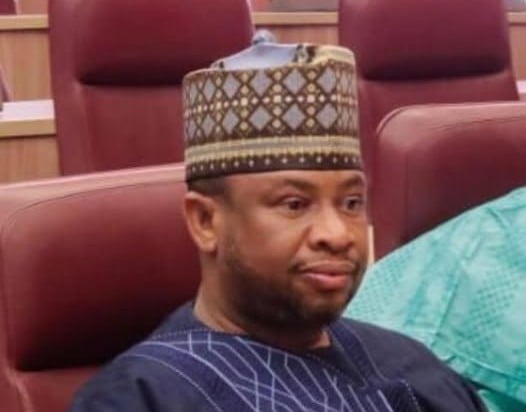
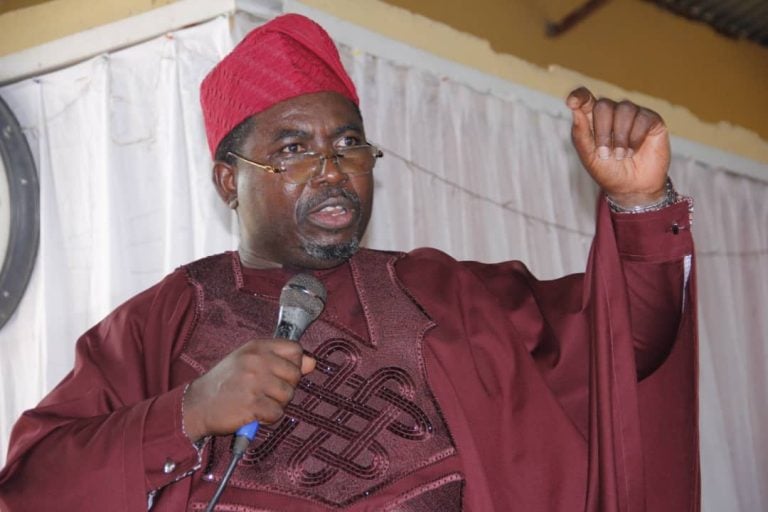
The committee, chaired by Bamidele Salam, who represents Ede North/Ede South/Ejigbo/Egbedore Federal Constituency of Osun State, is seeking explanations from the agencies and documents detailing the circumstances surrounding the audit findings.
In an invitation dated September 29, 2026, the committee directed both agencies to submit all requested documents to its secretariat in Hearing Room 4, White House, House of Representatives, at least 72 hours before their scheduled appearances.
The notice also instructed the accounting officers and relevant subject-matter experts of both agencies to attend the hearings at 1pm in Hearing Room 446.
DMO Faces Questions Over N54.57tn Borrowing
The DMO is expected to explain an alleged breach of approved borrowing estimates under five Federal Government Appropriation Acts covering the 2020 to 2024 fiscal years.
According to the Auditor-General’s report, the agency reportedly contracted domestic and foreign loans totalling N88.67tn during the five-year period, against N34.89tn allocated for debt financing in the approved budgets.
The difference between the two figures is approximately N53.78tn, although the audit report separately cites excess borrowing of N54.57tn. The discrepancy is expected to require clarification during the committee’s investigation.
The lawmakers are expected to demand details of the loans contracted, the approvals obtained and the procedures followed by the agency in carrying out its borrowing responsibilities.
They may also examine whether the reported borrowing activities complied with approved fiscal plans, appropriation provisions and applicable financial regulations.
The DMO is responsible for coordinating Nigeria’s domestic and external borrowing, managing public debt obligations and advising the Federal Government on debt-management policies.
The reported discrepancies have raised questions about compliance with approved budgetary limits and the effectiveness of legislative oversight of public borrowing.
The committee is expected to give the agency an opportunity to explain the findings and provide records that could establish whether the differences arose from unauthorised borrowing, accounting classifications or other factors.
TCN Under Scrutiny Over N446.7bn Debt
TCN will face a separate investigation over the recovery of outstanding funds owed to the Federal Government by public agencies and institutions.
The Auditor-General’s findings reportedly identified total debts of N882.75bn, of which N446.70bn remains unrecovered.
The committee is expected to demand a breakdown of the debts, including the identities of the indebted institutions, how long the obligations have remained outstanding and the recovery measures taken by TCN.
The lawmakers are also expected to examine why such a substantial amount remains unpaid and what steps the company has taken to improve debt recovery.
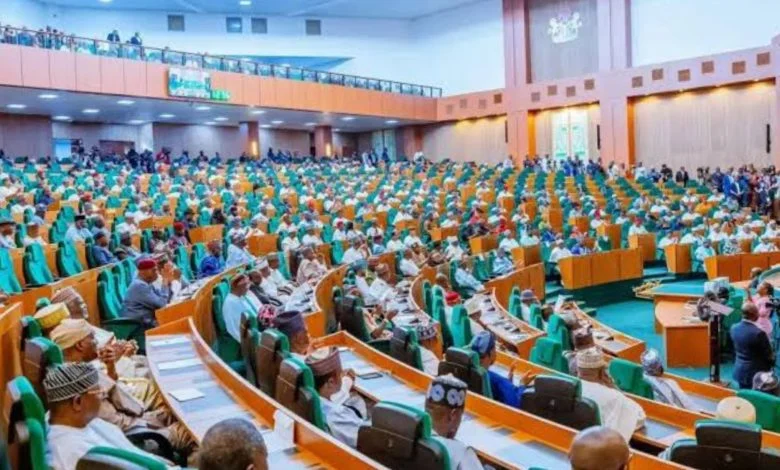
The hearings form part of the National Assembly’s oversight efforts to address financial control weaknesses and ensure accountability in the management of public funds.
The outcomes of the proceedings could provide further details on the circumstances surrounding the reported borrowing discrepancies and outstanding debts, as the committee seeks explanations from the affected agencies.