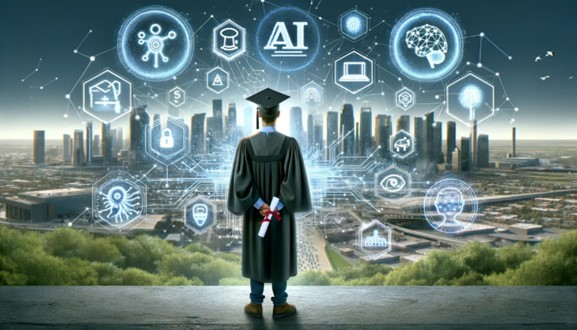
Nigeria and other countries have been urged to overhaul their school curricula to prioritise creativity, critical thinking, communication and collaboration as artificial intelligence reshapes the global labour market.
The recommendation was contained in the 2026 HP Futures report, which warned that traditional academic qualifications alone may no longer adequately prepare young people for the demands of future employment.
The report, developed by HP in collaboration with the Global Learning Council and the Education Leaders Forum, drew on contributions from 58 education experts, policymakers and future-of-work leaders worldwide.
According to a statement issued by HP Futures on Wednesday, the report urged governments to integrate the four competencies into formal education, rather than treating them as secondary subjects or extracurricular activities.
It recommended that schools incorporate these skills into their timetables, fund their development and assess them alongside traditional academic subjects.
The report also warned that unequal access to technology could widen educational inequalities, calling for inclusive programmes that cater to public schools and low-resource communities. Suggested measures include teacher-guided AI, low-bandwidth learning platforms and affordable technology.
While advocating curriculum reforms, it stressed that literacy and numeracy must remain fundamental to education, alongside practical, hands-on teaching that equips students to apply classroom knowledge to real-world challenges.
It further called for standardised assessment and internationally recognised credentials to help universities and employers evaluate students' competencies across countries.
HP's Chief Commercial Officer and Chair of HP Futures, David McQuarrie, said educators, policymakers and employers must work together to prepare young people for emerging opportunities and challenges.
“As artificial intelligence rapidly transforms how we learn and work, that responsibility has never been more important,” he said.
Similarly, HP's Director and Global Head of Education Business and Strategy, Mayank Dhingra, called for education models that formally recognise durable skills and provide students with internationally transferable credentials.
He warned that disparities in access to AI and opportunities to demonstrate these competencies could reinforce existing inequalities.
The report was informed by an online survey of 6,206 students across 37 countries, conducted between May and June 2026. About 88 per cent of respondents who disclosed their ages were between 12 and 17.
The findings also incorporated interviews with 58 experts, roundtable discussions and case studies involving schools, universities, employers, non-governmental organisations and public education systems.