.jpeg)
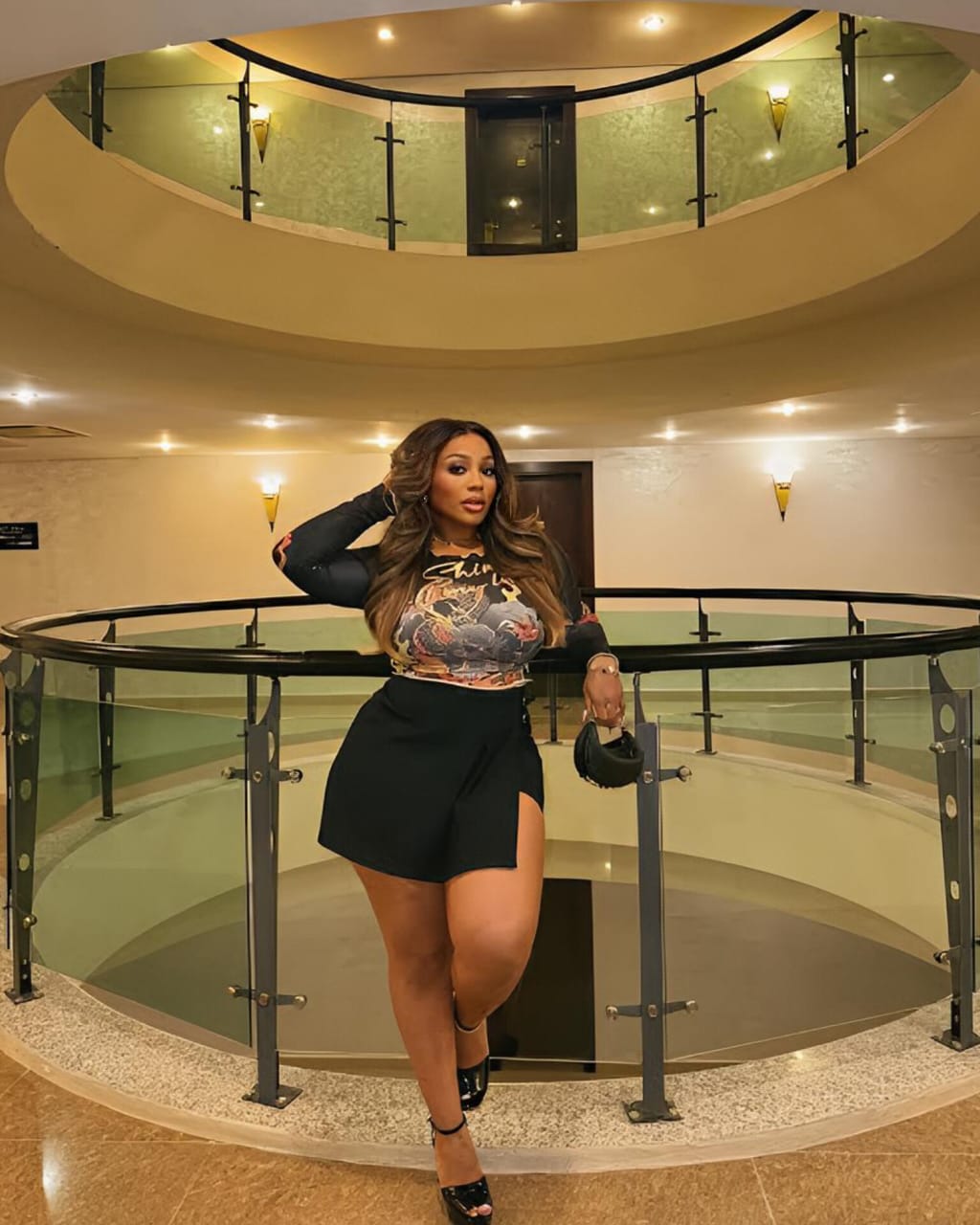
In a room pulsating with rhythm and tradition, where the past meets the present in lace, gele and oríkì, one woman commands attention, not with force, but with grace. She is Afua Tijani, popularly known as Sisialayeye, a name that echoes across Yoruba weddings from London to Lagos. She does not just host events, she holds court, telling stories, invoking blessings and reviving heritage.
Born and raised in Olomore, Abeokuta, Ogun State to a family of seven, this fifth child with Ghanaian-Nigerian roots has grown into one of the diaspora’s most celebrated traditional marriage compere "alaga iduro or alaga ijoko". From appearing on Channel 4’s Highlife to gracing the pages of Vogue UK, her work is more than entertainment. It is cultural diplomacy. Her ceremonies are heartfelt performances of love, family and identity.
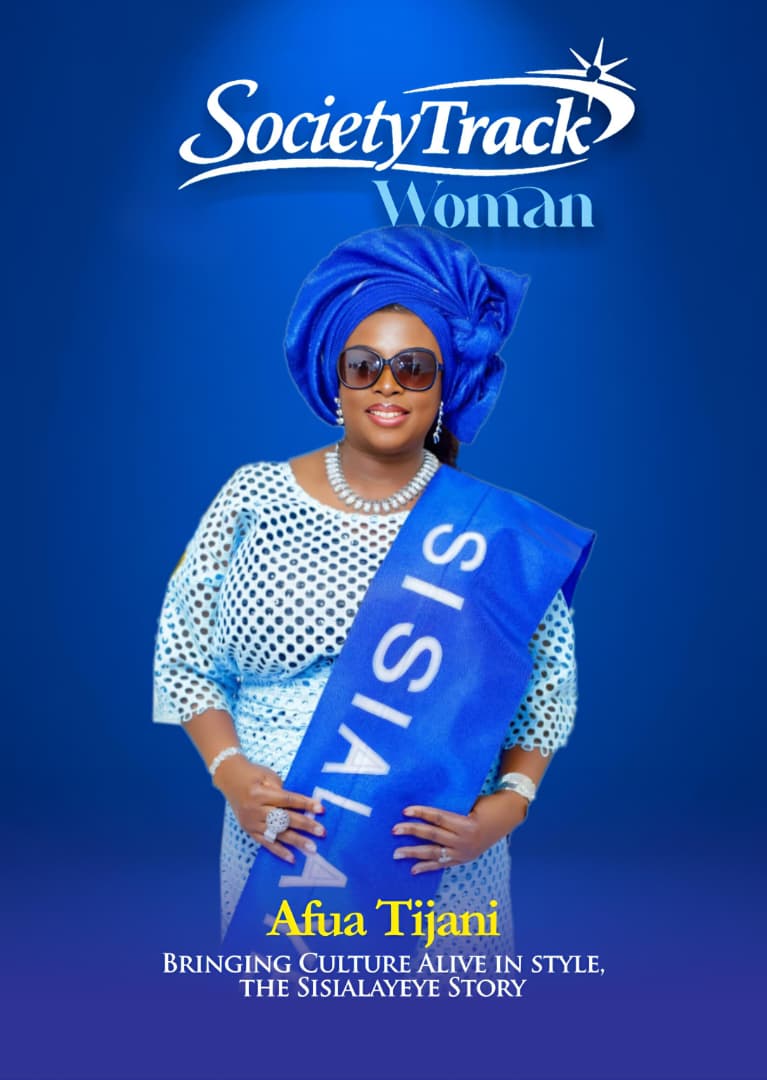
We sat down with the cultural ambassador herself to talk beginnings, womanhood, legacy and what it means to make Yoruba tradition modern, vibrant and global.
SocietyTrack: Let us start from home, what do you remember most about growing up?
Afua (Sisialayeye):
Ah, Olomore! That is the root. That place really shaped me. I remember our estate, always alive with activities, naming ceremonies, weddings, traditional prayers. I would sit near the drummers, memorising chants without even realising it. We didn’t have much, but we had community, colour and culture. I did not know then that all those early memories would become the foundation of my career.
SocietyTrack: You are now one of the most sought-after alaga in the UK, how did you begin?
Afua (Sisialayeye): Like every Nigerian Child I went to school, the Primary, Secondary and some courses here and there until I discovered myself. Honestly, it started by chance, but also by fate. I moved to the UK, after studying and was working, but I attended a friend’s traditional engagement and noticed the alaga was not connecting with the audience. The energy, the flow, it was missing. And I was there, with little trainings way back from Ibadan. So I offered to help. The rest is history. I did one, then another. I started getting booked. Within a year, I was flying to host weddings across Europe. It grew faster than I expected, but I was ready for it.
SocietyTrack: What does being an alaga really mean to you, beyond the role?
Afua (Sisialayeye):
To me, being an alaga is sacred. It is not just standing there and shouting, “Eyin iyawo e wa jeun!” (laughs). It is storytelling. It is cultural guardianship. Every chant has meaning. Every proverb, every blessing is intentional. I do not just anchor weddings, I uphold legacy. People are trusting me with their most intimate family moment. That is holy ground.
SocietyTrack: What have you learnt from this?
Afua (Sisialayeye) :
One key lesson is that authenticity travels. People across the world are hungry for realness, genuineness, for roots, for identity. Yoruba culture, when presented with respect and flair captures hearts, even among non-Yoruba audiences. I have also learned that professionalism must walk hand-in-hand with tradition. You can not take culture to Vogue UK or a global audience and not uphold excellence. That is how we elevate the craft and gain respect.
SocietyTrack: You speak Yoruba fluently, yet you are Ghanaian-Nigerian and grew up abroad, how did you master it?
Afua (Sisialayeye):
It is something I worked hard at. My mother is Nigerian and she always spoke Yoruba at home. But I made a decision early on to not just understand Yoruba, I wanted to embody it. I read proverbs, I watched old Yoruba films, I studied the structure of traditional songs. Even now, before a wedding, I research the families’ backgrounds so I can include dialectical elements from Oyo, Ekiti, or Ijebu land, wherever you are from. I want the families to feel seen and respected.
SocietyTrack: Many people see weddings as parties, but for you, they seem like cultural stages. Why?
Afua (Sisialayeye):
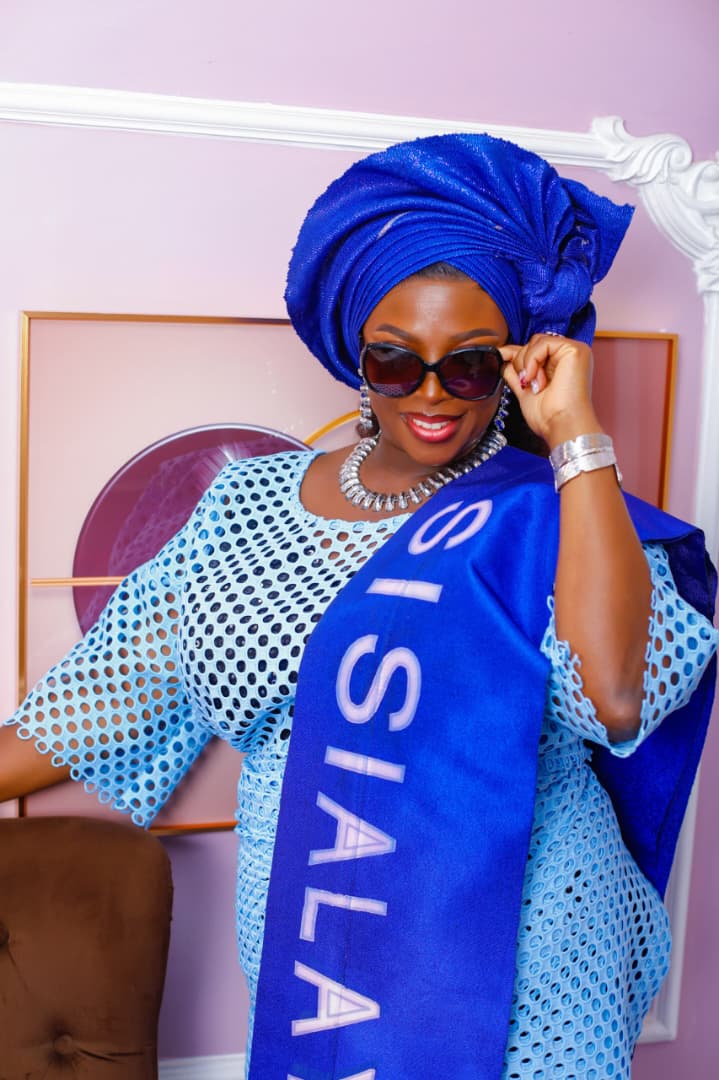
Because they are! Especially for Nigerians in the diaspora, traditional weddings are more than ceremonies, they are the few moments we touch base with our roots. When I chant oríkì, it is like singing someone’s identity. When I explain the meaning behind igbeyawo rites, people listen, they connect. These are not just performances, they are cultural awakenings. People cry. Elders nod. Children ask questions. That is the real impact.
SocietyTrack: How do you blend modern tastes with old customs?
Afua (Sisialayeye):
With love and creativity. You will find me anchoring a wedding with a talking drum on one side and a DJ playing Burna Boy on the other. I use Yoruba poetry, but I weave in humour, even a bit of pidgin or slang to keep it fresh. And I respect changes in family dynamics, some couples now prefer symbolic bride prices or gender-neutral blessings. Tradition is alive, not frozen. It evolves when done with respect.
SocietyTrack: As a woman how did you navigate the huddle and gender barrier along your way?
Afua (Sisialayeye): Though some men do it, alaga work is traditionally a woman’s space, so gender wasn’t the biggest barrier. The real challenge sometimes is getting drummers and team members to align with your rhythm, it is teamwork, but the alaga leads the charge. I also have a home to run, kids to raise and life outside ceremonies, but I manage it all. People doubted me at first, but once they witness my performance and the respect I command, the doubt disappears. I let my craft speak louder than any stereotype. You know, I have used my platform to mentor and train other women, showing them that our culture can be both a passion and a profitable career. Many of the ladies I have worked with now host events, run their own businesses and earn confidently. It is about turning tradition into empowerment, I have seen women go from side hustles to full-time income through this path. That, for me, is true economic development.
SocietyTrack: You have appeared in Highlife and Vogue UK, how did that feel for a cultural custodian like yourself?
Afua (Sisialayeye):
It was surreal. Being in Vogue was not just about fashion, it was recognition that tradition is trendy. That culture sells. And Highlife gave me the chance to show the behind-the-scenes of what I do, the planning, the prayers, the passion. Those platforms helped people understand that this is not just a “side hustle.” It is a serious profession with emotional and cultural values.
SocietyTrack: What has been your most memorable wedding moment?
Afua (Sisialayeye):
There was one wedding where the bride had lost her father recently. She asked me to find a way to honour him during the ceremony. I included a praise chant for him and paused to allow her brothers to present kola nuts in his name. The entire hall went silent. People cried. It was powerful. I realized then that what I do goes beyond aesthetics, it is about healing, honour and heritage.
SocietyTrack: What, I mean when was your happiest moment on the job?
Afua (Sisialayeye):
(Laughs) Yes o, it was wild! An event where about a million naira was sprayed on me. But the real currency for me is the connection. The joy in the couple’s eyes, the pride on the elders’ faces. Of course, the money helps (laughs), but I see my job as a ministry. Each event is an opportunity to teach, to uplift, to unify.
SocietyTrack: What do you say to people who think tradition is outdated?
Afua (Sisialayeye):
I say, “Look again.” What is outdated about honouring your ancestors? Your traditions? About blessing a union with poetry, music and family rituals? Tradition grounds us. It reminds us who we are. Without it, we drift. And guess what? The world is watching and admiring what we have. If we don’t cherish it, someone else will.
SocietyTrack: Nigerians are often seen in a negative light abroad. As a professional compere with accolades, what is your message to the world?
Afua (Sisialayeye) :
That narrative needs to change. Nigerians are resilient, creative and resourceful. I have performed in spaces where people told me, “You have changed how I see Nigerians.” That is powerful. We must carry ourselves with pride and excellence, so that our work becomes our voice. Let the world see our beauty, not just through music or food, but through every wedding, every ceremony, every oríkì.
SocietyTrack: Can Nigeria grow economically by training experts along your trade for export?
Afua (Sisialayeye):
Absolutely. I always say culture is not just in the books, it is a living, breathing art. Women are natural nurturers of tradition and I encourage them to explore this space. There is dignity and pride in our culture. I mentor young women who want to learn the craft, teaching them the songs, the protocols, the meaning behind each step. It is not just about “talking at events", it is about preserving identity. And yes, there’s money in it too! Cultural diplomacy is a powerful export tool. Just like we export Afrobeats and Nollywood, we can export traditional services, alaga, traditional fashion designers, drummers, caterers, etc. The wedding industry alone is a multi-billion naira space. If we formalize and train experts in cultural ceremony arts, we can create jobs and promote Nigeria positively. I’m living proof that it can be done.
SocietyTrack: What is your take on women's financial inclusion?
Afua (Sisialayeye):
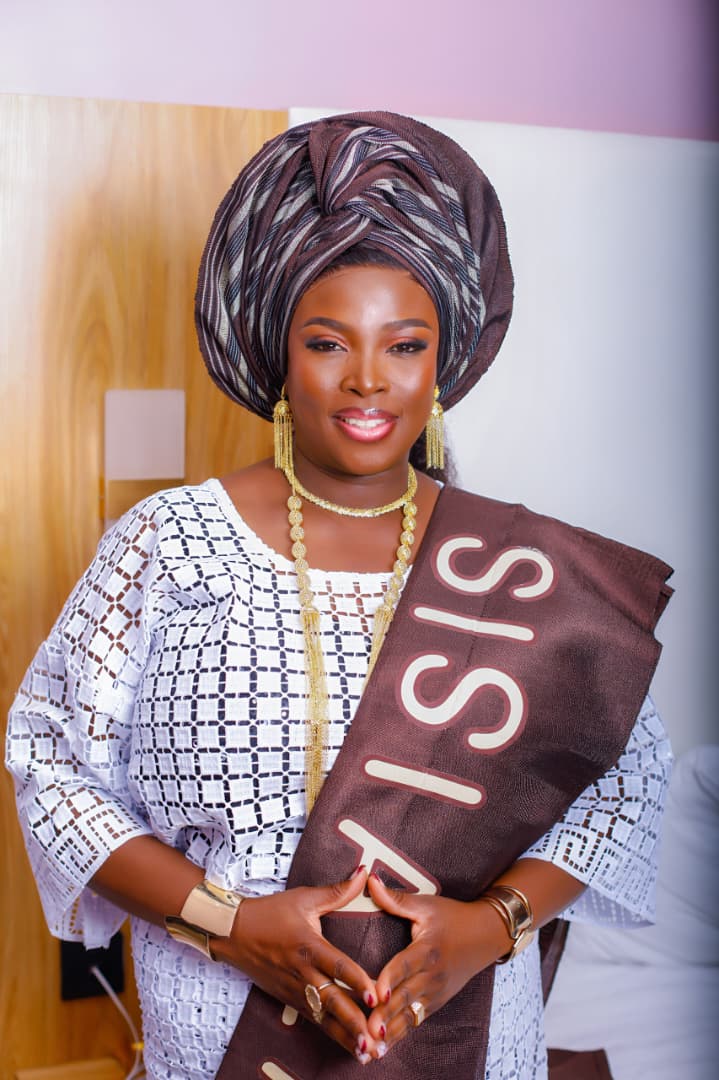
Women must be financially empowered, full stop. In my field, I've met so many talented women who just need structure, guidance and access to funding. Whether it's through grants, mentorship, or creative entrepreneurship, we need to bridge the gap. When a woman earns her own income, she doesn’t just uplift herself, she transforms her entire community.
SocietyTrack: As a successful career woman, especially as a traditional wedding anchor, how do you combine family and parenting duties?
Afua (Sisialayeye):
It is a balancing act, no doubt. I’m blessed to have a supportive family, and we run like a team. I also plan my bookings carefully, ensuring I have quality time with my children. But I must say, my kids are my biggest cheerleaders. They see the joy I bring to others, and it inspires them too. At the end of the day, I remind myself that I’m not just raising children, I’m also modeling purpose.
SocietyTrack: What dreams and goals are you chasing next?
Afua (Sisialayeye):
My dream, a cultural academy where tradition meets education offering courses in alaga technique, Yoruba storytelling, cultural event design. I want media collaborations, a documentary series showcasing Yoruba weddings around the world. Ultimately, I would like Nigeria to see alaga as a viable creative career and storytellers like me as cultural diplomats. For now, I’m dancing on that path, one engagement at a time.
SocietyTrack: What is your advice to young women who want to pursue cultural careers like yours?
Afua (Sisialayeye):
Start where you are. Learn the craft. Attend ceremonies, take notes, volunteer. Find a mentor. Don’t let anyone tell you it’s not profitable or prestigious. You can make a name for yourself while preserving your culture. And always, always lead with excellence. Respect is earned, not given.
SocietyTrack: Final thoughts, what legacy do you want to leave?
Afua (Sisialayeye):
I want to be remembered as someone who made people proud of their roots. Someone who brought joy, unity and honour to families. I want little girls to hear my chants and say, “That could be me.” And I want the world to know that Yoruba culture is not just beautiful, it is brilliant! So rich!
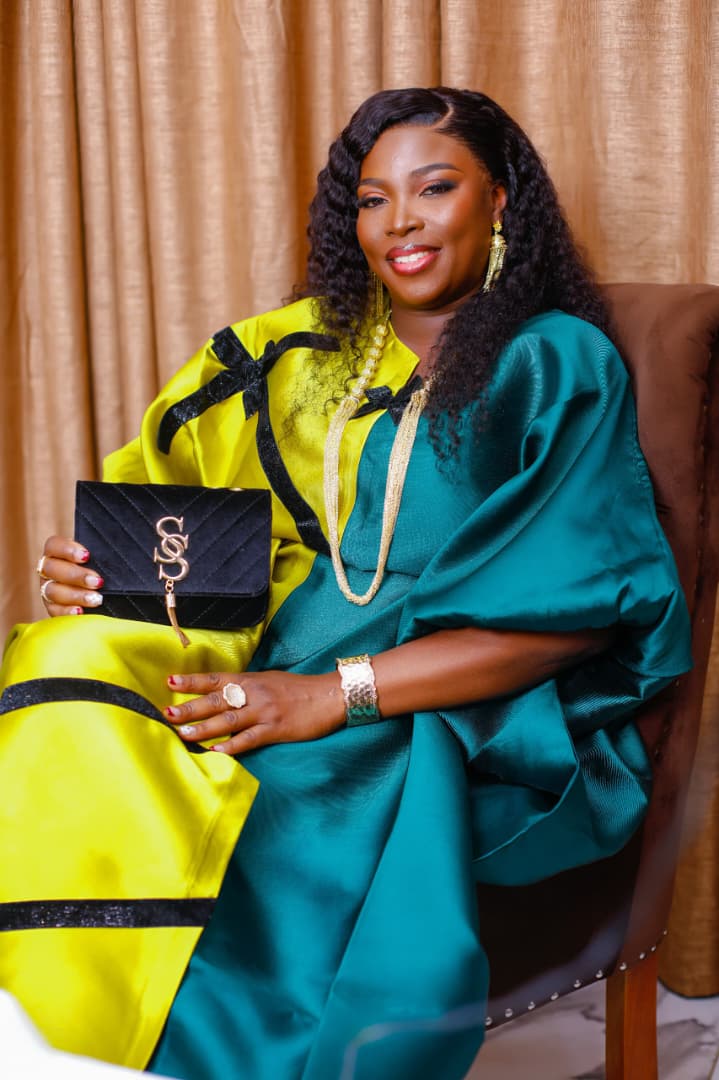
From her humble roots in Olomore, Ogun State to stages across Europe, Afua Tijani, a.k.a. Sisialayeye, continues to redefine what it means to carry culture with pride. In her voice, heritage sings. In her steps, ancestors dance. And in her presence, Yoruba tradition lives on, radiant, relevant and revered.

.jpeg)